
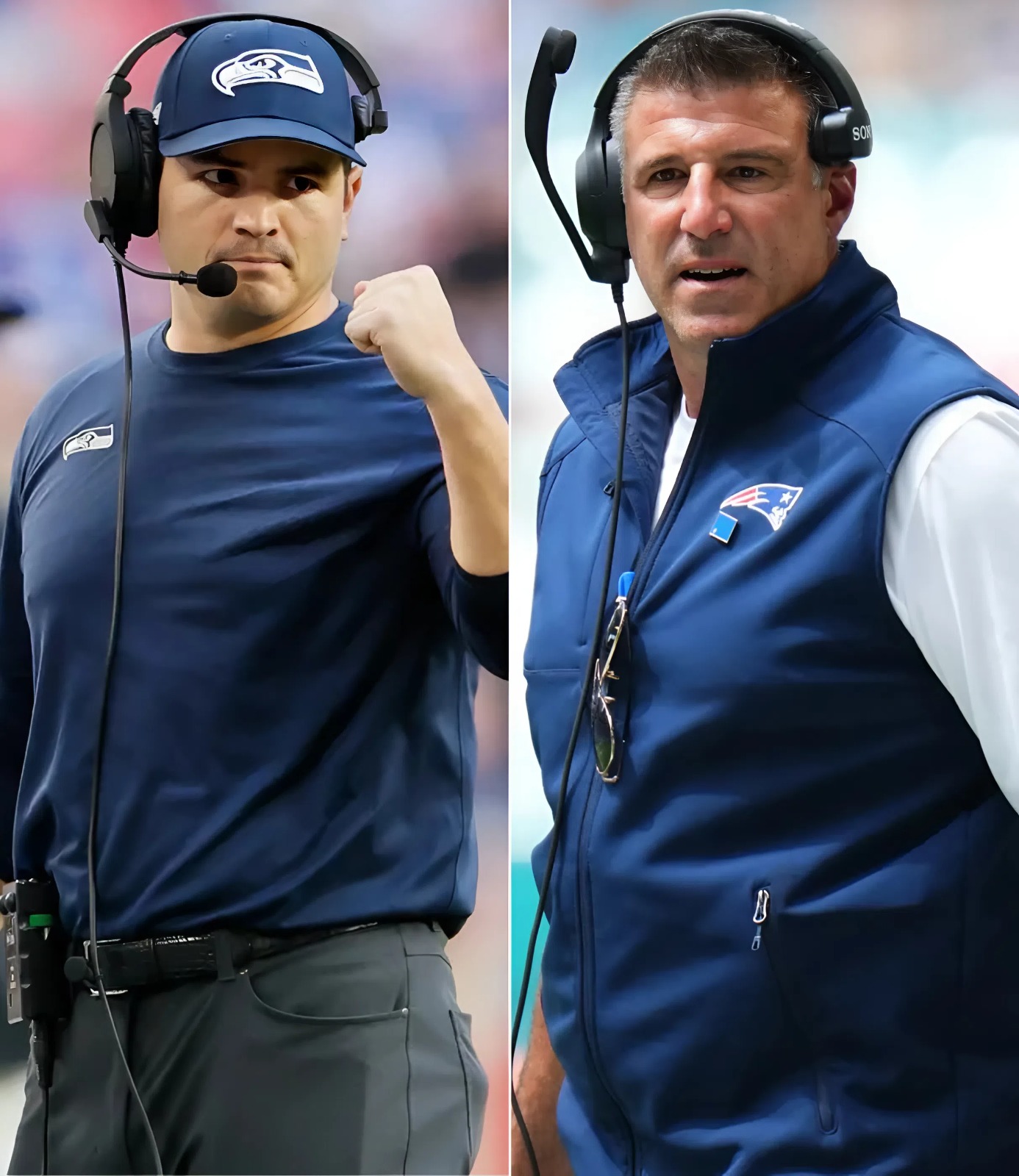
"If the empire is threatened, we will rise without hesitation," thundered a defiant voice from within the New England Patriots organization, detonating a shockwave across a league that has long treated Foxborough as both dynasty and controversy incarnate.
The declaration did not sound like a routine press conference cliché, but rather a battle cry aimed at critics, investigators, and perhaps even the league office itself, signaling that the Patriots are done absorbing accusations in silence.
For years, whispers about questionable victories, conveniently timed penalties, and institutional favoritism hovered like fog over Gillette Stadium, yet those murmurs were often drowned out by Lombardi trophies and celebratory parades.
Now, in an unprecedented escalation, iconic figures tied to the franchise are not merely defending past glory but aggressively challenging what they describe as a "legacy buried by power" and distorted by selective outrage.
The Patriots' internal message frames the controversy not as guilt exposed, but as injustice perpetuated, arguing that fragmented documents and anonymous leaks have been weaponized to tarnish an era of dominance that reshaped modern football.
League insiders are reportedly scrambling as resurfaced reports, unresolved legal disputes, and long-ignored complaints reenter public discourse, forcing executives to confront questions many assumed were permanently archived.
What once appeared to be isolated scandals now feel interconnected in the court of public opinion, stitched together by online investigators who believe the empire's foundations were far more fragile than advertised.
Supporters counter that dynasties inevitably attract resentment, insisting that excellence is often rebranded as corruption by rivals desperate to explain their own failures in an era of Patriots supremacy.
At the heart of this firestorm lies a volatile debate about power, influence, and the opaque machinery of professional sports governance, where transparency is promised publicly but negotiated privately behind polished mahogany doors.
Anonymous witnesses have stepped forward with claims of internal pressure and strategic silence, describing a culture where protecting the shield sometimes meant sacrificing clarity for the sake of competitive advantage.
Critics argue that the Patriots benefited from a system reluctant to discipline its most marketable powerhouse, suggesting that enforcement inconsistencies quietly tilted the competitive landscape for years.
Defenders respond that every franchise navigates gray areas within complex rulebooks, and that singling out New England reeks of revisionist history fueled by envy rather than evidence.
The phrase "legacy buried by power" has become a lightning rod, interpreted by some as an admission that influence shaped outcomes, while others see it as a condemnation of league politics that allegedly targeted the franchise when convenient.
Social media has erupted into ideological camps, with viral threads dissecting old game footage frame by frame, hunting for missed calls that now feel suspicious under the harsh light of retrospective scrutiny.
Meanwhile, former players have cautiously weighed in, some hinting at systemic ambiguity in officiating standards, others fiercely protecting the sanctity of championships earned through grueling preparation and execution.
The emotional charge is unmistakable, because this is no longer about a single penalty or isolated controversy, but about whether an entire era of NFL history demands reexamination.

In response to mounting pressure, Patriots representatives have pledged what they call a comprehensive internal review, reopening dormant files and inviting independent oversight in a move they insist signals confidence rather than desperation.
They claim their mission is not retaliation but transparency, positioning themselves as advocates for institutional reform in a league where disciplinary opacity has frustrated fan bases far beyond New England.
Skeptics remain unconvinced, questioning whether an organization so deeply embedded in the system can objectively investigate the very mechanisms that allegedly shielded it for decades.
The league office has maintained a measured silence, issuing carefully worded statements about integrity and due process while avoiding direct engagement with the escalating rhetoric emerging from Foxborough.

Legal analysts warn that reopening unresolved matters could trigger a cascade of unintended consequences, potentially exposing confidential communications and reigniting battles thought long settled through negotiated settlements.
If subpoenas begin to circulate or previously sealed testimonies resurface, the fallout could extend beyond one franchise, implicating league-wide practices that thrive on discretion and strategic ambiguity.
Rival owners are reportedly monitoring developments with a mix of apprehension and calculation, aware that a precedent of aggressive transparency could disrupt long-standing norms of mutual protection.
Fans, meanwhile, are caught between pride and doubt, wrestling with the possibility that cherished memories might be reframed by revelations too complex to fit into highlight reels.
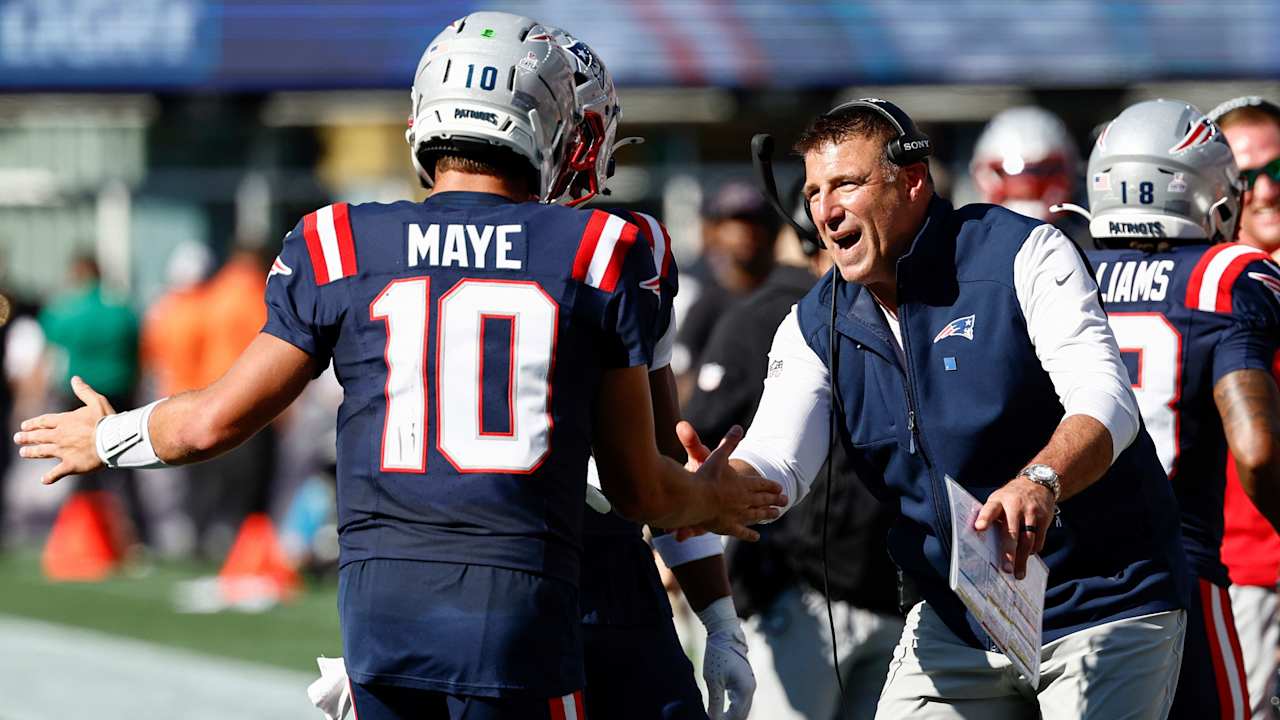
The Patriots' declaration of readiness to "rise without hesitation" has thus evolved into something far larger than defensive posturing, morphing into a symbolic confrontation between institutional loyalty and public accountability.
Commentators debate whether this is a calculated media maneuver designed to galvanize supporters during a transitional era, or the opening salvo in a genuine effort to recalibrate the league's ethical compass.
Every new document leak, every cryptic quote from an unnamed source, and every delayed league response feeds an algorithmic frenzy that thrives on outrage and unresolved tension.
What was once whispered speculation now dominates primetime segments, transforming a storied franchise into the epicenter of a philosophical struggle over fairness, favoritism, and the price of dominance.

The uncomfortable truth is that professional sports have always balanced spectacle with secrecy, and the Patriots' saga merely magnifies a systemic tension that has simmered beneath the NFL's polished surface.
Whether this confrontation results in sweeping reform or dissolves into another cycle of headlines and denials will depend on how far both the franchise and the league are willing to let the inquiry penetrate.
For some, the mere act of challenging the narrative signals courage and a refusal to be defined by accusation, while for others it reeks of strategic deflection dressed in the language of justice.
As the Patriots insist that the quest for truth has only just begun, the empire stands neither vindicated nor condemned, but suspended in a storm of doubt that refuses to settle quietly.